Informational Compound Profiles
An educational overview of selected natural compounds and essential nutrients, drawing from nutritional science and phytochemical literature. These profiles are not products for sale.
Six Compounds in Context
Each profile below presents a naturally occurring compound or nutrient as it appears in the nutritional and scientific literature. No therapeutic claims are made. These are informational summaries only.

Zinc
Zinc is a trace mineral found naturally in a wide variety of animal and plant-based foods. It is one of the most extensively studied essential minerals, with nutritional research documenting its involvement in a broad range of cellular processes throughout the body.
- Functions as a cofactor in over 300 enzymatic reactions involved in metabolism and cellular function
- Plays a structural role in proteins and contributes to the maintenance of normal immune system activity
- Present in dietary sources including legumes, whole grains, nuts, seeds, meat, and shellfish
Magnesium
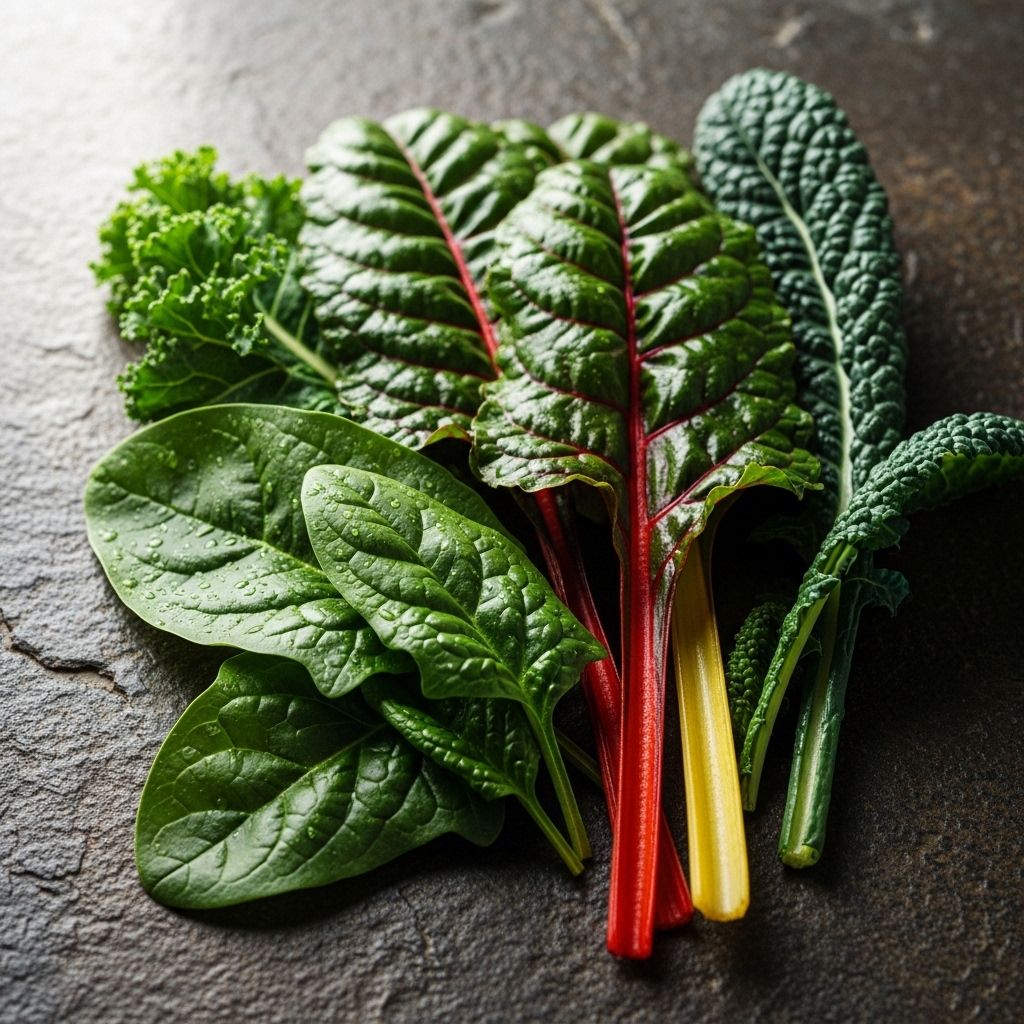
Magnesium is a macronutrient mineral that is present in every cell of the human body. It is the fourth most abundant mineral in the body and participates in over 600 biochemical reactions, according to nutritional biochemistry literature.
- Involved in energy metabolism through its role in ATP synthesis and utilisation at the cellular level
- Contributes to protein synthesis, nerve function, and the maintenance of normal muscle activity
- Found in green leafy vegetables, legumes, whole grains, nuts, and seeds
Ashwagandha
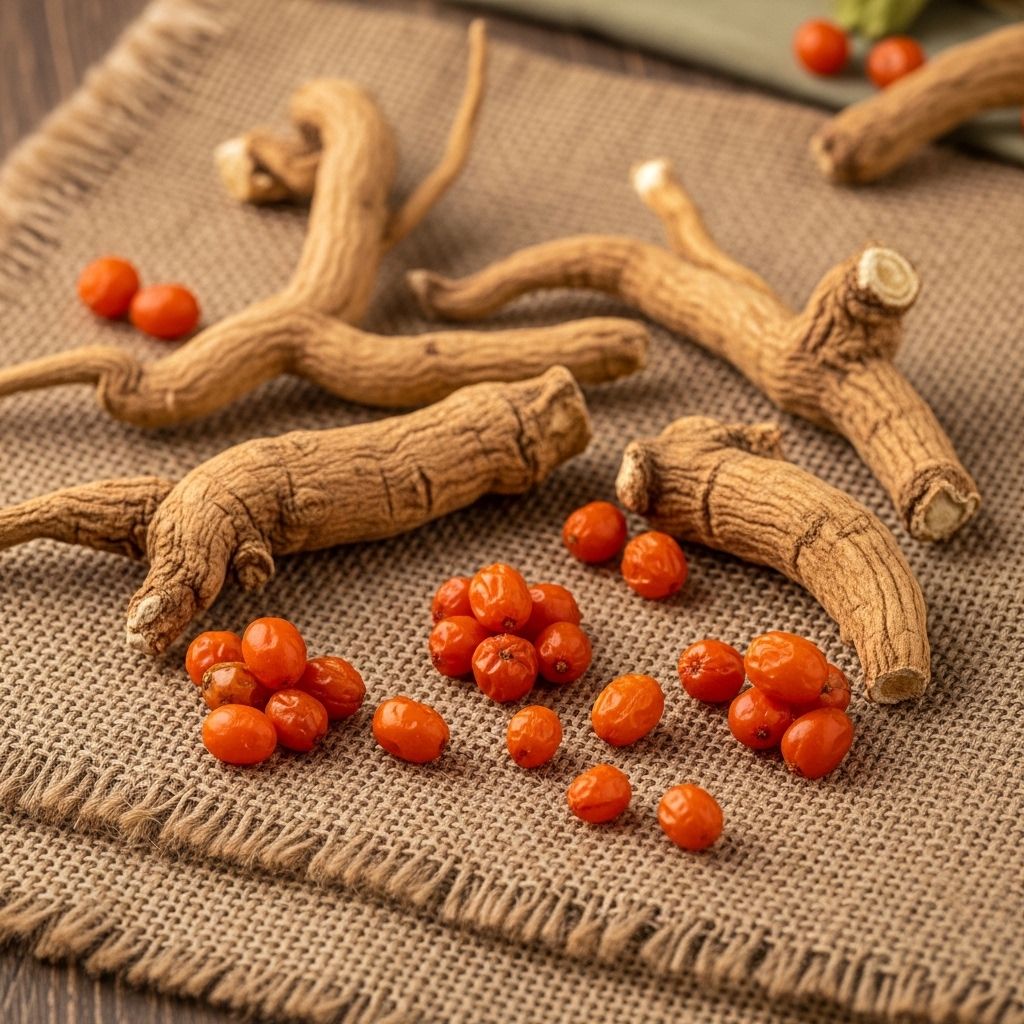
Withania somnifera, commonly known as ashwagandha, is a plant with a documented history of use in Ayurvedic traditions. The root is the most commonly studied part, and it has been examined in nutritional and phytochemical research for its withanolide content.
- Contains naturally occurring withanolides, a class of steroidal lactones that have been the subject of phytochemical analysis
- Has been cultivated and used as a botanical ingredient across South Asian dietary and wellness traditions for centuries
- Subject of a growing body of contemporary nutritional research examining its general properties

Panax Ginseng Root
Panax ginseng is one of the most studied botanical substances in the world, with a history of use in East Asian traditional practices spanning over two millennia. Contemporary phytochemical research has characterised a range of compounds within the root, most notably ginsenosides.
- Contains ginsenosides, a family of triterpenoid saponins that have been the primary focus of phytochemical analysis
- Deeply embedded in the historical botanical traditions of Korea, China, and Japan, documented in classical texts
- Among the most extensively studied botanical substances in peer-reviewed nutritional and phytochemical literature

Vitamin D
Vitamin D is a fat-soluble nutrient that the human body can synthesise through the skin upon exposure to ultraviolet B radiation from sunlight. It is also obtained in smaller quantities through dietary sources including oily fish, egg yolk, and fortified foods.
- Supports the absorption of calcium and phosphorus, contributing to the maintenance of normal bone mineralisation
- Plays a recognised role in normal immune system function, as documented in nutritional science literature
- Particularly relevant in northern latitudes including the United Kingdom, where sunlight exposure is seasonally limited
Fenugreek
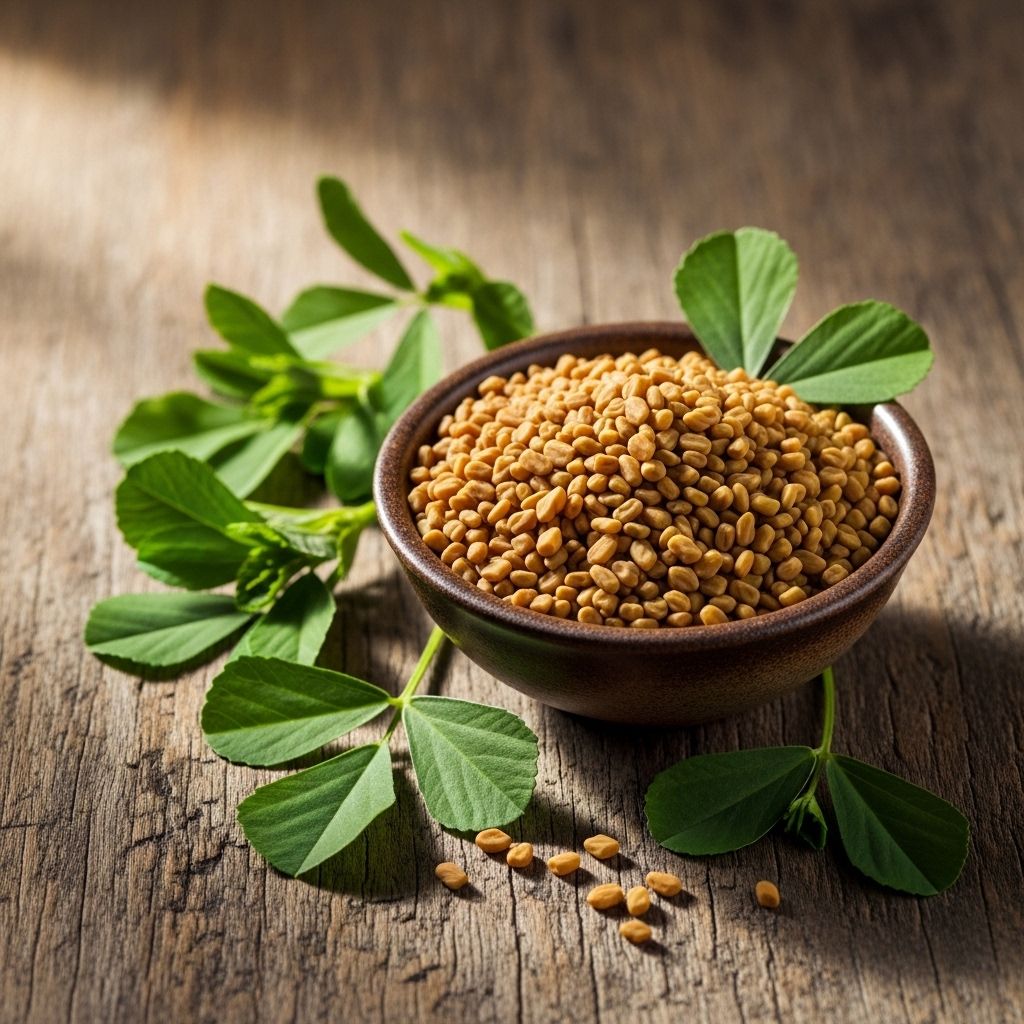
Trigonella foenum-graecum, known as fenugreek, is a plant cultivated across the Mediterranean, South Asia, and North Africa. Both its seeds and leaves have been used as culinary and botanical ingredients for thousands of years, and its seeds are a rich source of soluble fibre, saponins, and various micronutrients.
- Seeds contain diosgenin, a steroidal saponin, and are a good dietary source of iron, magnesium, and manganese
- Has a long culinary and botanical history across Indian, Middle Eastern, and North African food cultures
- Studied in nutritional research contexts, particularly in relation to its fibre content and micronutrient profile
Information Scope and Limitations
- All profiles on this page are provided for general educational and informational purposes only. No therapeutic or outcome-based claims are made.
- The compounds described are naturally occurring substances documented in nutritional, phytochemical, and ethnobotanical literature.
- These profiles do not constitute advice, recommendations, or endorsements of any product or approach.
- No products are sold, listed, or promoted on this platform. These are not product descriptions.
- Individual responses to dietary compounds vary significantly; no generalised outcomes are implied.
Have a Question About Our Content?
If you have a general question about the information presented in these profiles, you may submit it through our contact form. We do not provide individual consultations.
Contact Klymus